Forestry and Land Scotland Logo
  1. Visit
      1. Find a forest
      2. Explore forest parks
    1. Accessible forests
    2. Stay the night
      1. Waymarked trails
      2. Cycling
      3. Mountain biking
      4. Photography
      5. Orienteering
      6. Camping
      7. Treetop adventure
      8. Water sports
      9. Horse riding
      1. Things to see
      2. Trees
      3. Wildlife
      4. Heritage
      5. Things to see in Winter
    3. Plan a visit with a group
    4. Visiting safely
    5. Parking
    Forest map

    Search for a forest by map

    Forests & trails information and closures

    An overview of all closures and high risk warnings on trails.

    Stay the night

    Park overnight in selected forest car parks as part of our motorhome scheme.

  2. About us
      1. Who we are
      2. Our mission and vision
      3. Leadership team
      4. Our values
      1. Careers
      2. Current Vacancies
      3. What we offer
      4. Candidate information
      5. A day in the life
      6. Apprenticeships
    1. Key documents
    2. Our impact
    3. Our approach to Gaelic
    Current Vacancies

    Some text

  3. What we do
      1. Taking Climate Action
      2. The climate emergency
      3. Forest resilience
      4. Peatland restoration
      5. Carbon offsetting
      6. Biodiversity
      7. Renewable energy
      1. Managing the land
      2. Planning our land management
      3. Our sustainable forestry
      4. Our tree nursery
      1. Conservation
      2. Habitat conservation
      3. Wildlife conservation
      4. Historic environment conservation
    1. Supporting outdoor exploration
    2. Working with communities
    3. Our projects
  4. Living and Working
      1. For businesses
      2. Timber sales
      3. Procurements and tenders
      4. Business opportunities
      5. Farming opportunities
      6. Venison sales
      7. Firewood sales
      1. For communities
      2. Transfer land and buildings to your community
      3. Land management plan consultations
      1. Permissions and Permits
      1. Learning and Education
      2. Outdoor learning
      3. Activity sheets
    1. Buy Land or Buildings
    Land management plan consultations

    Text here

    Current job opportunities

    Text here

  5. Get involved
    1. Have your say on consultations
    2. Hold an event
    3. Apply for a community asset transfer (CAT)
    4. Arrange a visit
    5. Work with us
  6. News
  7. Contact
Suggested links
    1. Home
    2. News
    30 October 2020 4 minutes

    Why Do Trees Lose Their Leaves?
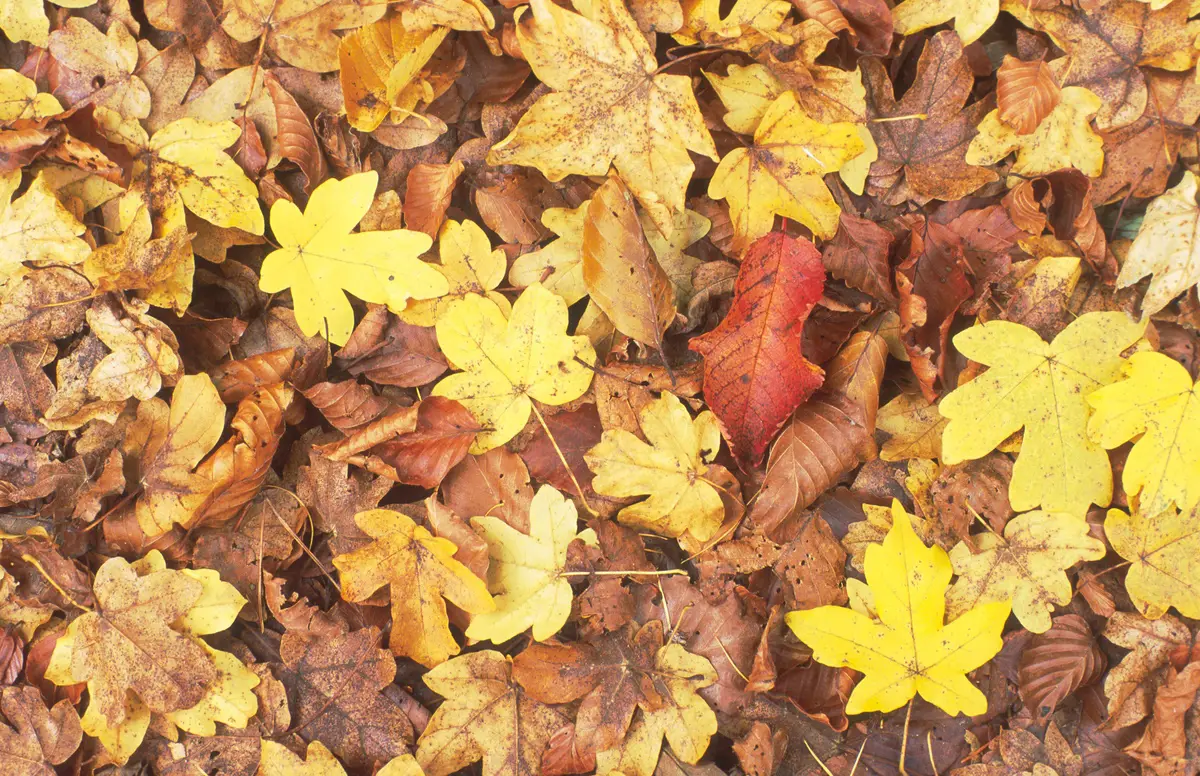
    Red, yellow and brown leaves

    The changing of seasons from summer to autumn brings about a startling change in many trees with vivid greens giving way to bright yellows, oranges and reds. Then, the leaves fall leaving bare trunks and skeletal branches. So what is really going on? Why do trees lose their leaves in autumn? Let’s find out. 

    Disappearing Green 

    Different natural chemicals within trees produce different colours of leaves. Chlorophyll is the chemical that produces a green colour, and it happens that photosynthesis (the process of turning sunlight into energy, which is key to tree growth) is most efficiently processed with green leaves. It’s the same reason that most growing plants are green. Trees intentionally fill their leaves with chlorophyll in order to generate as much energy as possible during the summer months. 

    By the time autumn comes around, trees have been busy generating and storing energy from sunlight for several months. In many ways, they have been preparing all year for the coming winter by storing energy and sugars to tide them over the coming winter. With temperatures falling in autumn, production of chlorophyll stops and the levels of this chemical within leaves reduces. In turn, this lets other chemicals within the leaves come to the fore. 

    As chlorophyll reduces, it leaves an abundance of carotenes which are yellow. This yellow has been in the leaves all year, but superseded by the green – in autumn, it finally gets a chance to show itself. If the temperature stays above freezing, anthocyanins are produced which bring about reds and pinks. Also, the drier and sunnier the autumn, the more anthocyanins are produced, and the more red the leaves will be. This process happens slowly over the autumn, and not uniformly throughout the tree, so we see trees with a broad mix of greens, yellow and reds that is constantly changing. 

    Dispensing With Leaves 

    In the spring, a layer of cells called the abscission layer is formed where a leaf grows out from a branch. During the growing season, the tree hormones and chemicals are fairly steady, and this layer allows energy from the leaves to be passed into the branch and trunk to be stored. In autumn, with the cooler temperatures and shorter days, the production of one hormone called auxin reduces. This in turn puts a strain on the abscission layer and causes the bond between leaf and branch to weaken. Eventually, the strength of the join is weakened enough that the wind will blow the leaf away. 

    There are several reasons why deciduous trees lose their leaves: 

    • It means the tree spends less energy through the harsh winter
    • It conserves moisture within the trunk and keeps it from drying out
    • It allows wind to blow through the branches, putting less strain on the tree – a serious concern in winter storms and gales 

    Conifers

    So why do some trees not shed leaves or change colour at all? Conifer trees are a little different. Many conifers have needles rather than leaves. These needles are often heavily impregnated with a resin which resists cold and wet weather far better than a frail leaf. The tall, thin and pointed shapes of most conifers also means they are well able to handle strong winds and heavy rain or snow by letting moisture slide straight off. Some of these trees are even able to move moisture out of their cells so that, if they were to freeze, their cells remain intact, meaning when they thaw out they will be able to continue growing. Many conifers are perfectly adapted to cold, hostile conditions that deciduous trees couldn't stand, which is why they are so prevalent in northern climes.

    Fascinated by the differences between trees? Kilmun Arboretum is home to over 150 species of tree and shows the many and varied responses to autumn. Plan your visit and discover the magic of trees.  

    Latest from FLS

    1. 12 Jan 2026

      Lesley's article

    2. 03 Oct 2025

      Scotland's Climate Week 2025: Working together in the Angus Glens

    3. 29 Sep 2025

      Scotland's Climate Week 2025: Working with partners to support beaver populations

    4. 19 Sep 2025

      Martens on the Move at Kirroughtree

    5. 20 Aug 2025

      Protecting endangered apple trees through teamwork

    Share this article

    • Share on Facebook
    • Share on X
    • Share on LinkedIn

    Feedback

    There is a problem

    Feedback

    Thank you for your feedback

    User feedback form


    Your feedback helps us to improve this website. Do not give any personal information because we cannot reply to you directly.


    Your feedback helps us improve this website. Do not provide any personal information here. If you need to get in touch with a query, please contact us.


    Your feedback helps us improve this website. Do not provide any personal information here. If you need to get in touch with a query, please contact us.

    Forestry and Land Scotland Logo

    Follow us on

    • Forestry and Land Scotland on Facebook
    • Forestry and Land Scotland on Twitter
    • Forestry and Land Scotland on Instagram
    • Forestry and Land Scotland on LinkedIn

    Utilities

    1. Accessibility
    2. Cookies
    3. Privacy Notice
    4. Terms and Conditions
    5. Freedom of Information
    6. Modern Slavery Statement

    Quick links

    1. Media Centre
    Forest Stewardship Council, the mark of responsible forestry Programme for the Endorsement of Forest Certification, PEFC
    © Crown Copyright
    Forests and land that Scotland can be proud of Link to gov.scot gov.scot