Forestry and Land Scotland Logo
  1. Visit
      1. Find a forest
      2. Explore forest parks
    1. Accessible forests
    2. Stay the night
      1. Waymarked trails
      2. Cycling
      3. Mountain biking
      4. Photography
      5. Orienteering
      6. Camping
      7. Treetop adventure
      8. Water sports
      9. Horse riding
      1. Things to see
      2. Trees
      3. Wildlife
      4. Heritage
      5. Things to see in Winter
    3. Plan a visit with a group
    4. Visiting safely
    5. Parking
    Forest map

    Search for a forest by map

    Forests & trails information and closures

    An overview of all closures and high risk warnings on trails.

    Stay the night

    Park overnight in selected forest car parks as part of our motorhome scheme.

  2. About us
      1. Who we are
      2. Our mission and vision
      3. Leadership team
      4. Our values
      1. Careers
      2. Current Vacancies
      3. What we offer
      4. Candidate information
      5. A day in the life
      6. Apprenticeships
    1. Key documents
    2. Our impact
    3. Our approach to Gaelic
    Current Vacancies

    Some text

  3. What we do
      1. Taking Climate Action
      2. The climate emergency
      3. Forest resilience
      4. Peatland restoration
      5. Carbon offsetting
      6. Biodiversity
      7. Renewable energy
      1. Managing the land
      2. Planning our land management
      3. Our sustainable forestry
      4. Our tree nursery
      1. Conservation
      2. Habitat conservation
      3. Wildlife conservation
      4. Historic environment conservation
    1. Supporting outdoor exploration
    2. Working with communities
    3. Our projects
  4. Living and Working
      1. For businesses
      2. Timber sales
      3. Procurements and tenders
      4. Business opportunities
      5. Farming opportunities
      6. Venison sales
      7. Firewood sales
      1. For communities
      2. Transfer land and buildings to your community
      3. Land management plan consultations
      1. Permissions and Permits
      1. Learning and Education
      2. Outdoor learning
      3. Activity sheets
    1. Buy Land or Buildings
    Land management plan consultations

    Text here

    Current job opportunities

    Text here

  5. Get involved
    1. Have your say on consultations
    2. Hold an event
    3. Apply for a community asset transfer (CAT)
    4. Arrange a visit
    5. Work with us
  6. News
  7. Contact
Suggested links
    1. Home
    2. News
    31 August 2023 4 minutes

    Fungi foragers urged to pick only what they need

    People planning to head out to forests this autumn to try their hand at ‘foraging’ – to pick wild mushrooms – are being urged to ‘be sure what you’re picking and pick only what you need’.

    We're finding – increasingly – that inexperienced fungi foragers are clearing whole areas, damaging fragile ecosystems and potentially harming forest dwelling animals who depend on fungi as a valuable food source. 

    While foraging for mushrooms and other wild-growing ingredients is a fun and rewarding activity to do in Scotland's forests, there are some very important safety considerations to bear in mind when foraging for any wild foods, and mushrooms in particular.

    Some species are dangerously poisonous and can even cause fatalities if eaten.

    Speaking about foraging fungi, Colin Edwards, our environment manager, is asking people to make sure the information they are relying on for which species to pick, and which to avoid, is reliable and up to date. Organisations such as Wild Food UK provide good online guides but it’s important never to rely on just one source for mushroom identification, and never eat anything unless you are 100% sure it's edible.
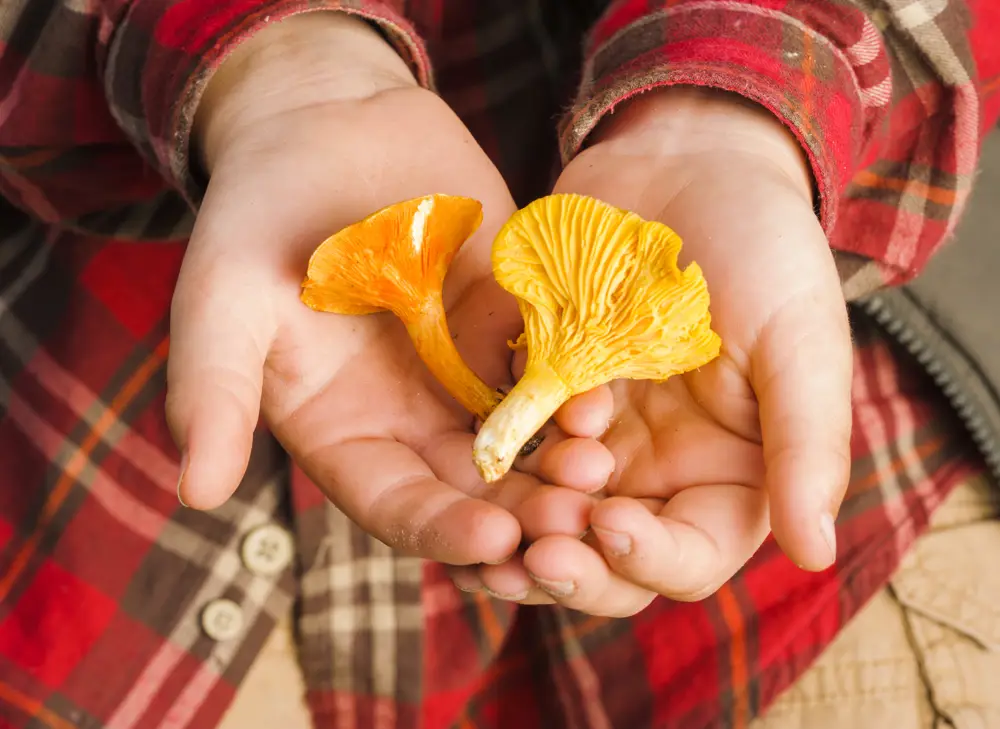
     IFTE NB 161036

    False and true chanterelles can look very similar 

    One of the best – and safest - ways to find out about foraging is to ask an experienced forager. There are lots of courses, workshops, expeditions and outings based around foraging skills taking place throughout Scotland, especially during Foraging Fortnight in early September.

    Some of the best advice online is found in the Scottish Wild Mushroom Code. Nature Scot have a page dedicated to our native fungi (not all of which are edible) while the website Scottish Fungi contains absolutely everything you need to know about the mushrooms found in your nearest woods and contacts for local groups.

    Colin said fungi foragers should remember the Scottish Outdoor Access Code and ‘leave no trace’. He added

    “I’d urge people to make absolutely sure they know what they’re picking – before they head out - and pick only what they’re going to use, being sure to leave some for others.”

    “We have seen an increase in fungi pickers in some of our woodlands such as Devilla in the south of Scotland and some picking is indiscriminate and strips the entire wood bare.  

    “I often see families out with bags full of fungi, and hundreds of fungi turned and left broken on site because they’re not edible.

    It’s important to leave enough for everyone - including the wildlife who call the forest home and who rely on fungi as a food source.
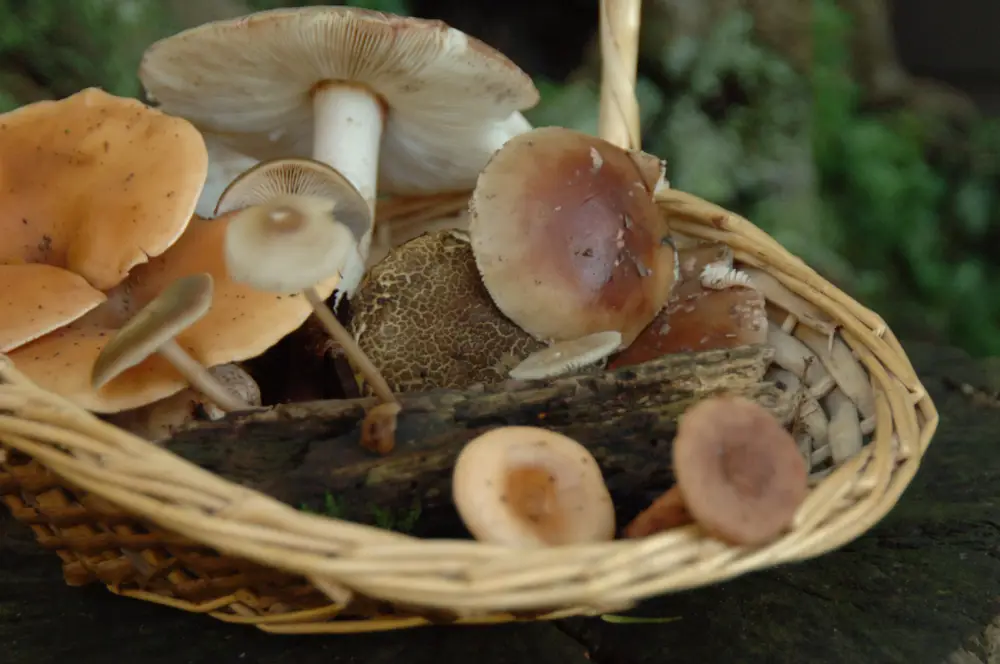
    a basket of wild mushrooms

    Finding a balance

    The wellbeing of forest animals is important to all of us, so we need to leave enough for the local population while providing for ourselves. 

    Wild food is vital for the survival of the UK’s wildlife, so it is incredibly important to forage sustainably. Birds, hedgehogs and insects are just some of the species that rely on this finite source of protein. They help mushrooms and other plants to produce seeds and spores that grow into the next generation of tasty morsels. Like so many things in ecology and conservation, balance is absolutely key. If we all forage sustainably, the forests can produce more than enough for everyone to enjoy, human and animal alike.

    Learn from the experts

    If you're interested in foraging, consider going on a course and learning from an expert – you’ll find loads listed online:

    1. Know your mushroom! Do not touch or pick dangerous species and pick only what you can identify. 
    2. Only take what you can use - leave plenty for wildlife and other foragers.
    3. Remember the Scottish Outdoor Access Code and ‘leave no trace’.


    Latest from FLS

    1. 12 Jan 2026

      Lesley's article

    2. 03 Oct 2025

      Scotland's Climate Week 2025: Working together in the Angus Glens

    3. 29 Sep 2025

      Scotland's Climate Week 2025: Working with partners to support beaver populations

    4. 19 Sep 2025

      Martens on the Move at Kirroughtree

    5. 20 Aug 2025

      Protecting endangered apple trees through teamwork

    Share this article

    • Share on Facebook
    • Share on X
    • Share on LinkedIn

    Feedback

    There is a problem

    Feedback

    Thank you for your feedback

    User feedback form


    Your feedback helps us to improve this website. Do not give any personal information because we cannot reply to you directly.


    Your feedback helps us improve this website. Do not provide any personal information here. If you need to get in touch with a query, please contact us.


    Your feedback helps us improve this website. Do not provide any personal information here. If you need to get in touch with a query, please contact us.

    Forestry and Land Scotland Logo

    Follow us on

    • Forestry and Land Scotland on Facebook
    • Forestry and Land Scotland on Twitter
    • Forestry and Land Scotland on Instagram
    • Forestry and Land Scotland on LinkedIn

    Utilities

    1. Accessibility
    2. Cookies
    3. Privacy Notice
    4. Terms and Conditions
    5. Freedom of Information
    6. Modern Slavery Statement

    Quick links

    1. Media Centre
    Forest Stewardship Council, the mark of responsible forestry Programme for the Endorsement of Forest Certification, PEFC
    © Crown Copyright
    Forests and land that Scotland can be proud of Link to gov.scot gov.scot