Forestry and Land Scotland Logo
  1. Visit
      1. Find a forest
      2. Explore forest parks
    1. Accessible forests
    2. Stay the night
      1. Waymarked trails
      2. Cycling
      3. Mountain biking
      4. Photography
      5. Orienteering
      6. Camping
      7. Treetop adventure
      8. Water sports
      9. Horse riding
      1. Things to see
      2. Trees
      3. Wildlife
      4. Heritage
      5. Things to see in Winter
    3. Plan a visit with a group
    4. Visiting safely
    5. Parking
    Forest map

    Search for a forest by map

    Forests & trails information and closures

    An overview of all closures and high risk warnings on trails.

    Stay the night

    Park overnight in selected forest car parks as part of our motorhome scheme.

  2. About us
      1. Who we are
      2. Our mission and vision
      3. Leadership team
      4. Our values
      1. Careers
      2. Current Vacancies
      3. What we offer
      4. Candidate information
      5. A day in the life
      6. Apprenticeships
    1. Key documents
    2. Our impact
    3. Our approach to Gaelic
    Current Vacancies

    Some text

  3. What we do
      1. Taking Climate Action
      2. The climate emergency
      3. Forest resilience
      4. Peatland restoration
      5. Carbon offsetting
      6. Biodiversity
      7. Renewable energy
      1. Managing the land
      2. Planning our land management
      3. Our sustainable forestry
      4. Our tree nursery
      1. Conservation
      2. Habitat conservation
      3. Wildlife conservation
      4. Historic environment conservation
    1. Supporting outdoor exploration
    2. Working with communities
    3. Our projects
  4. Living and Working
      1. For businesses
      2. Timber sales
      3. Procurements and tenders
      4. Business opportunities
      5. Farming opportunities
      6. Venison sales
      7. Firewood sales
      1. For communities
      2. Transfer land and buildings to your community
      3. Land management plan consultations
      1. Permissions and Permits
      1. Learning and Education
      2. Outdoor learning
      3. Activity sheets
    1. Buy Land or Buildings
    Land management plan consultations

    Text here

    Current job opportunities

    Text here

  5. Get involved
    1. Have your say on consultations
    2. Hold an event
    3. Apply for a community asset transfer (CAT)
    4. Arrange a visit
    5. Work with us
  6. News
  7. Contact
Suggested links
    1. Home
    2. News
    14 September 2023 3 minutes

    Creating habitats to save rare bee
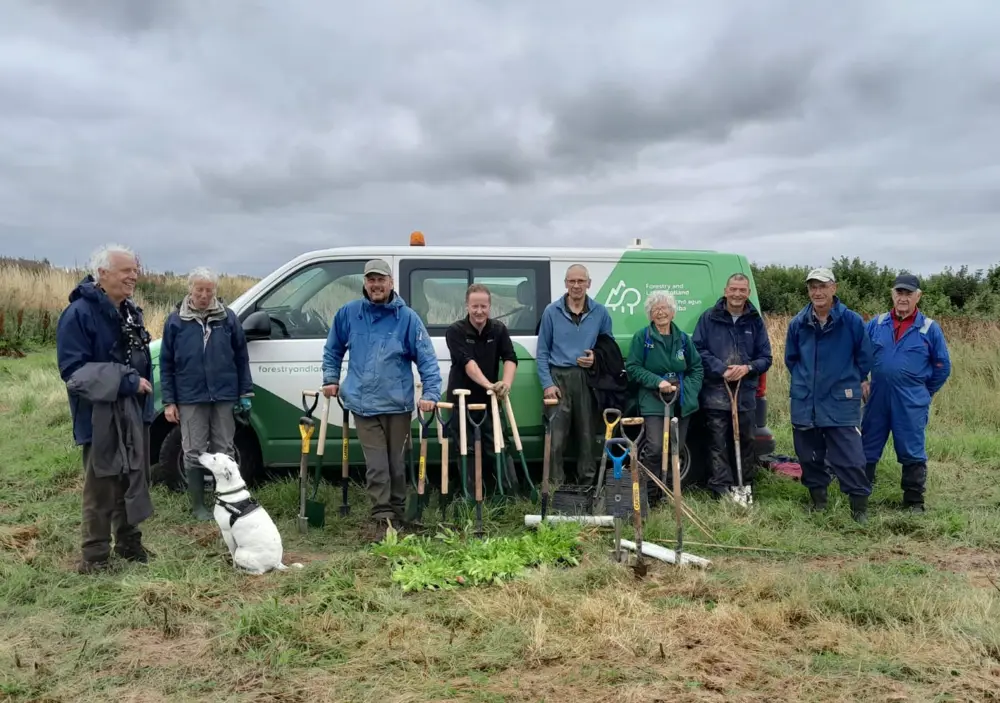
    A team of FLS staff and volunteers standing in a meadow in front of a branded work van

    Our staff in North Region have been working all summer to grow a wide range of wildflowers that should help boost numbers of a rare species of bumblebee and other pollinating insects.  

    The wildflowers, being tended by staff in polytunnels in Lairg, will be planted this autumn by volunteers from the Caithness Environment Volunteer Group. The group will be planting two meadows at Sibster, that we’ve been developing as part of a larger effort to conserve the Great Yellow bumblebee. 

    At one time this bumblebee was recorded across the UK, however the species is now restricted to the North of Scotland in flower-rich habitats. The lack of wildflower meadows is one of the key issues around its survival.
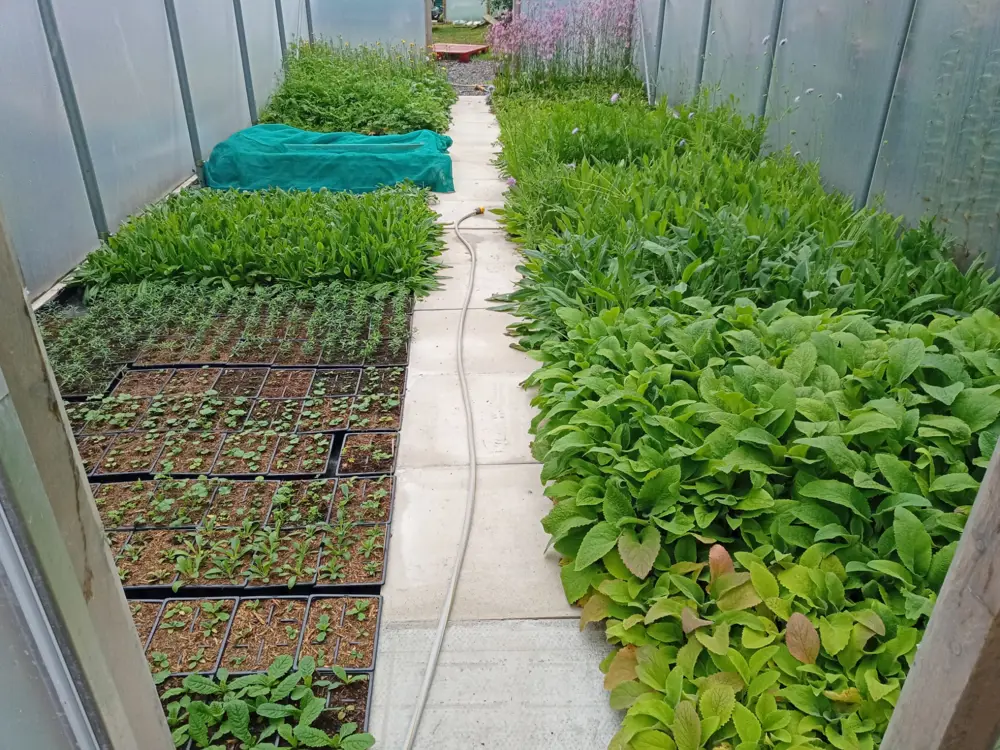
    Wildflowers in a greenhouse

    Neil McInnes, FLS Forester for Caithness and Sutherland, said;  

    “It really takes a while for a healthy meadow to get going and become well established so we’ve been working on this project for several years now. 

    “Adjusting the mix of plants is a slow, steady process. Working with Bumblebee Conservation and local ecology volunteers and tapping into the expertise of new staff with horticultural industry experience has given us a great mix of skills and knowledge – from basic botany to plant propagation and species conservation – that are helping to shape and transform the two meadows.  

    “It goes to show the range of our conservation work and highlights that sometimes it’s the things that you can do at the very local level that can make all the difference in helping endangered species." 

    Our partners will regularly monitor the meadows in the years to come and help keep a close eye on the fortunes of these particularly rare bees.  

    The meadows are part of a species project within the NatureScot led Species on the Edge Programme, and are in large, open areas within a forest that was planted in 2011 on a former agricultural site.  

    The work started in 2014, with controlling and reducing the fast-growing rye grass and creating spaces that would allow the less vigorous, pollinator-attracting flowering plants to take root and establish. 

    Work continued to grow and in 2017 a hedge was planted at one of the meadows both to provide more blossom and to create a ‘bank’ and tussocky grasses, where Great Yellow Bumblebees like to nest.  

    Regular autumn cuts over the past few years have helped the meadows to properly mature.  
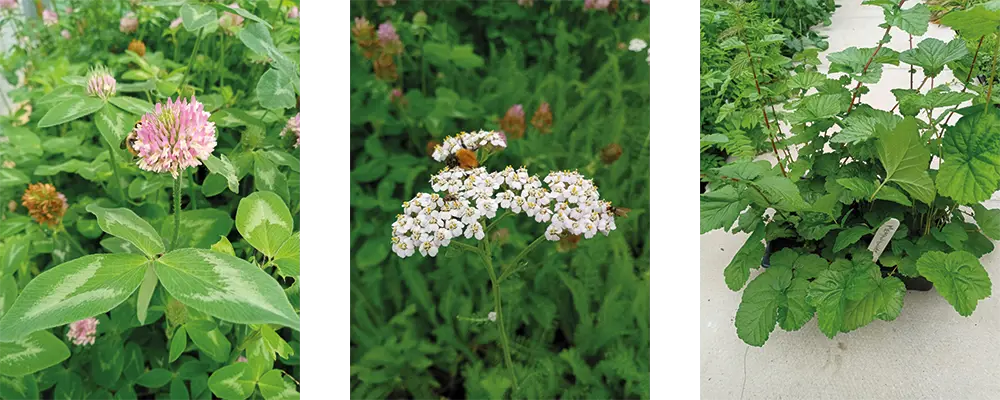
    three species of wildflowers

    Mary Legg, Secretary of the Caithness Environment Volunteers, said;  

    “The volunteers are happy to spend a few hours a month helping a variety of projects that allow the biodiversity of Caithness to flourish.  

    “In this case it's planting out wildflower plugs and, as Sibster woodland is already popular with local people, this should increase the opportunity for them to see and hear a variety of pollinating insects including the Great Yellow bumblebee. It might also encourage the visitors to allow a little space in their own gardens for wildflowers.” 

    Although managed to encourage pollinators generally, the addition of the volunteer-grown wildflowers will help to enrich the mix of plants such as red clover, vetches and knapweed that are the especially preferred food plants of the Great Yellow bumblebee.  


    Latest from FLS

    1. 12 Jan 2026

      Lesley's article

    2. 03 Oct 2025

      Scotland's Climate Week 2025: Working together in the Angus Glens

    3. 29 Sep 2025

      Scotland's Climate Week 2025: Working with partners to support beaver populations

    4. 19 Sep 2025

      Martens on the Move at Kirroughtree

    5. 20 Aug 2025

      Protecting endangered apple trees through teamwork

    Share this article

    • Share on Facebook
    • Share on X
    • Share on LinkedIn

    Feedback

    There is a problem

    Feedback

    Thank you for your feedback

    User feedback form


    Your feedback helps us to improve this website. Do not give any personal information because we cannot reply to you directly.


    Your feedback helps us improve this website. Do not provide any personal information here. If you need to get in touch with a query, please contact us.


    Your feedback helps us improve this website. Do not provide any personal information here. If you need to get in touch with a query, please contact us.

    Forestry and Land Scotland Logo

    Follow us on

    • Forestry and Land Scotland on Facebook
    • Forestry and Land Scotland on Twitter
    • Forestry and Land Scotland on Instagram
    • Forestry and Land Scotland on LinkedIn

    Utilities

    1. Accessibility
    2. Cookies
    3. Privacy Notice
    4. Terms and Conditions
    5. Freedom of Information
    6. Modern Slavery Statement

    Quick links

    1. Media Centre
    Forest Stewardship Council, the mark of responsible forestry Programme for the Endorsement of Forest Certification, PEFC
    © Crown Copyright
    Forests and land that Scotland can be proud of Link to gov.scot gov.scot