Forestry and Land Scotland Logo
  1. Visit
      1. Find a forest
      2. Explore forest parks
    1. Accessible forests
    2. Stay the night
      1. Waymarked trails
      2. Cycling
      3. Mountain biking
      4. Photography
      5. Orienteering
      6. Camping
      7. Treetop adventure
      8. Water sports
      9. Horse riding
      1. Things to see
      2. Trees
      3. Wildlife
      4. Heritage
      5. Things to see in Winter
    3. Plan a visit with a group
    4. Visiting safely
    5. Parking
    Forest map

    Search for a forest by map

    Forests & trails information and closures

    An overview of all closures and high risk warnings on trails.

    Stay the night

    Park overnight in selected forest car parks as part of our motorhome scheme.

  2. About us
      1. Who we are
      2. Our mission and vision
      3. Leadership team
      4. Our values
      1. Careers
      2. Current Vacancies
      3. What we offer
      4. Candidate information
      5. A day in the life
      6. Apprenticeships
    1. Key documents
    2. Our impact
    3. Our approach to Gaelic
    Current Vacancies

    Some text

  3. What we do
      1. Taking Climate Action
      2. The climate emergency
      3. Forest resilience
      4. Peatland restoration
      5. Carbon offsetting
      6. Biodiversity
      7. Renewable energy
      1. Managing the land
      2. Planning our land management
      3. Our sustainable forestry
      4. Our tree nursery
      1. Conservation
      2. Habitat conservation
      3. Wildlife conservation
      4. Historic environment conservation
    1. Supporting outdoor exploration
    2. Working with communities
    3. Our projects
  4. Living and Working
      1. For businesses
      2. Timber sales
      3. Procurements and tenders
      4. Business opportunities
      5. Farming opportunities
      6. Venison sales
      7. Firewood sales
      1. For communities
      2. Transfer land and buildings to your community
      3. Land management plan consultations
      1. Permissions and Permits
      1. Learning and Education
      2. Outdoor learning
      3. Activity sheets
    1. Buy Land or Buildings
    Land management plan consultations

    Text here

    Current job opportunities

    Text here

  5. Get involved
    1. Have your say on consultations
    2. Hold an event
    3. Apply for a community asset transfer (CAT)
    4. Arrange a visit
    5. Work with us
  6. News
  7. Contact
Suggested links
    1. Home
    2. News
    28 October 2024 3 minutes

    Biofluorescence in the rainforest

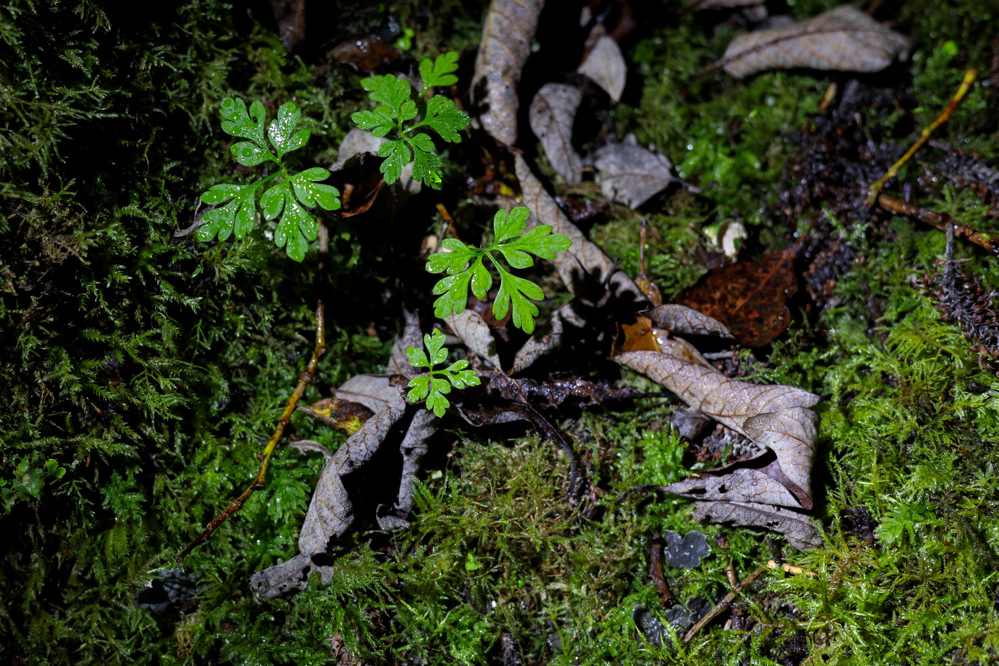
    Biofluorescence is where organisms absorb a low wavelength of light and then emit a high wavelength of light - the light that is emitted is a different colour from the light that is absorbed. While some animals can see this emitted light, humans are unable to view this wavelength unless using a Ultraviolet (UV) light source. Due to the rich biodiversity in our rare and precious rainforests they make a great place to explore this phenomenon and see a range of colours on lichens, plants and invertebrates.
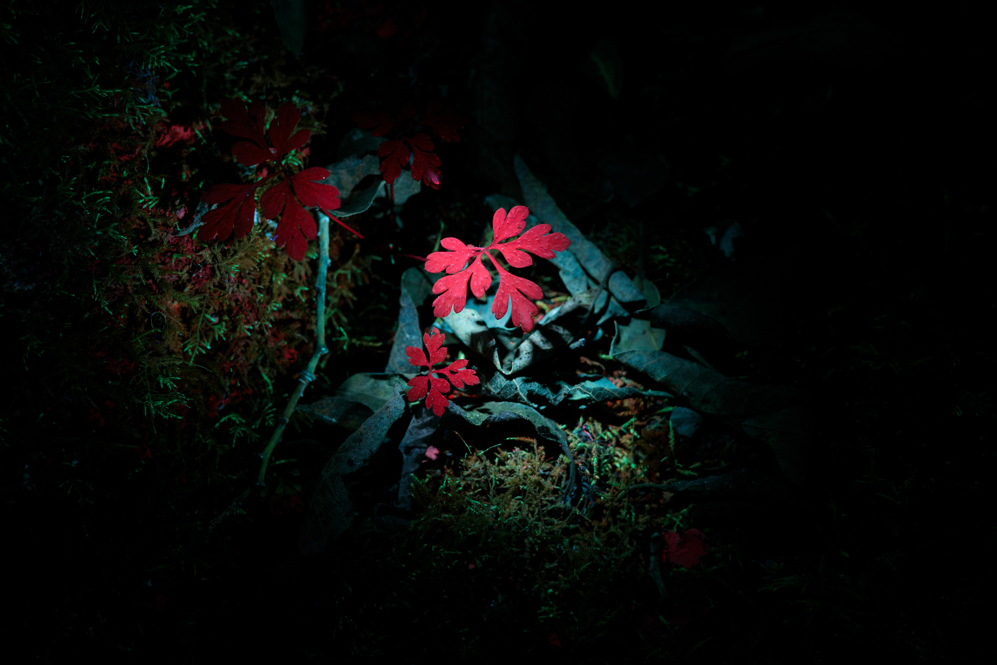
    Plant with red leaves under UV light.
    Under UV light
    Plant with green leaves under LED light.
    Under LED light

    Rainforests aren't the only place to see this though - gardens can provide a great place to start with brightly emitting flowers. Some of the patterns seen on flowers are even believed to lead bees to pollen and nectar. Our understanding of biofluorescence is constantly evolving, as is the study of how organisms use it for communication, camouflage or even mating purposes. 
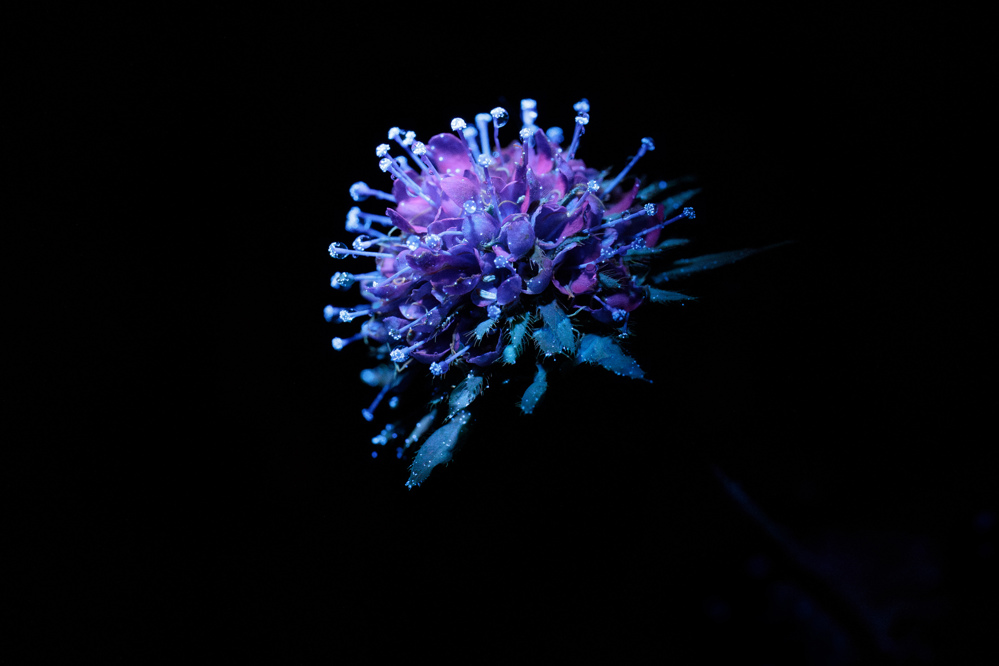
    Devil's bit scabious flower under UV light.
    Devil's-bit scabious - a favourite among pollinators

    Biofluorescence versus bioluminescence

    Many of us will have seen videos of bioluminescent plankton lighting up the sea or fireflies in the forest, but what exactly is the difference between the biofluorescence in the photos above and the bioluminescence we see displayed in plankton and fireflies?

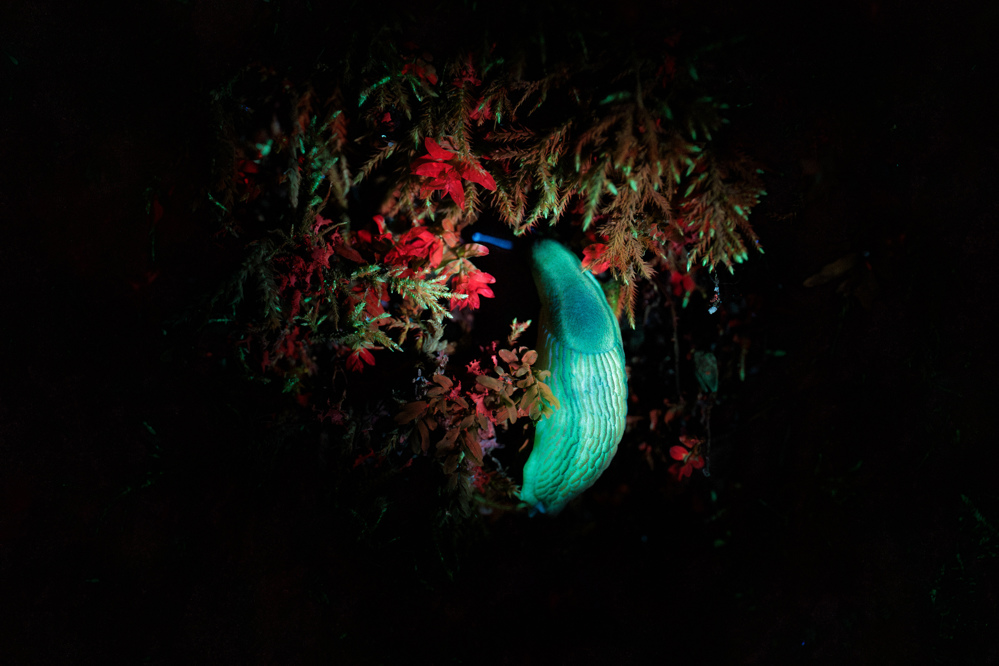
    Biofluorescence is a result of the absorption and subsequent emitting of the light at a different wavelength and colour but is not a chemical reaction. Bioluminescence is caused by a chemical or biological reaction within the body, an example of this in Scotland's forests would be glow-worms.
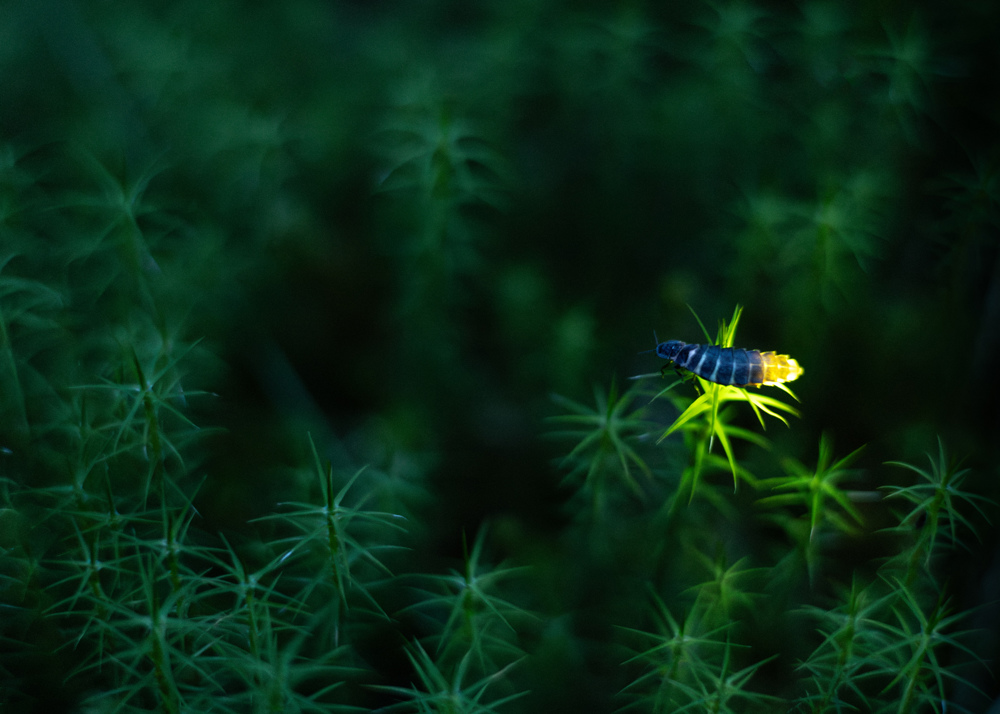
    Glow-worm on some mosses.
    Bioluminescence in a glow-worm - this can be seen by us with the naked eye
    Biofluorescence in a slug.
    Biofluorescence in a slug - this can only be seen by us with a UV light

    The light from the glow worm is caused by a chemical reaction at the end of their abdomen - with the glow strongest in females of the species, helping them to attract a mate. If you are lucky enough to see a glow worm please avoid using any torches as this can confuse the males looking for a mate.  

    Scotland's rainforests

    The humidity, along with the high rainfall and variety of soils, creates perfect conditions for more than 500 species of mosses, ferns, lichens and liverworts in Scotland's rainforests - found in Argyll and the west Highlands. As well as being great places for UV photography due to their biodiversity, our temperate rainforests are of international importance and even rarer than tropical rainforests.

    Work is ongoing to save these special places and in 2023-2024 we managed to beat our in-house rainforest restoration target by 141% thanks to an extraordinary effort by our teams.
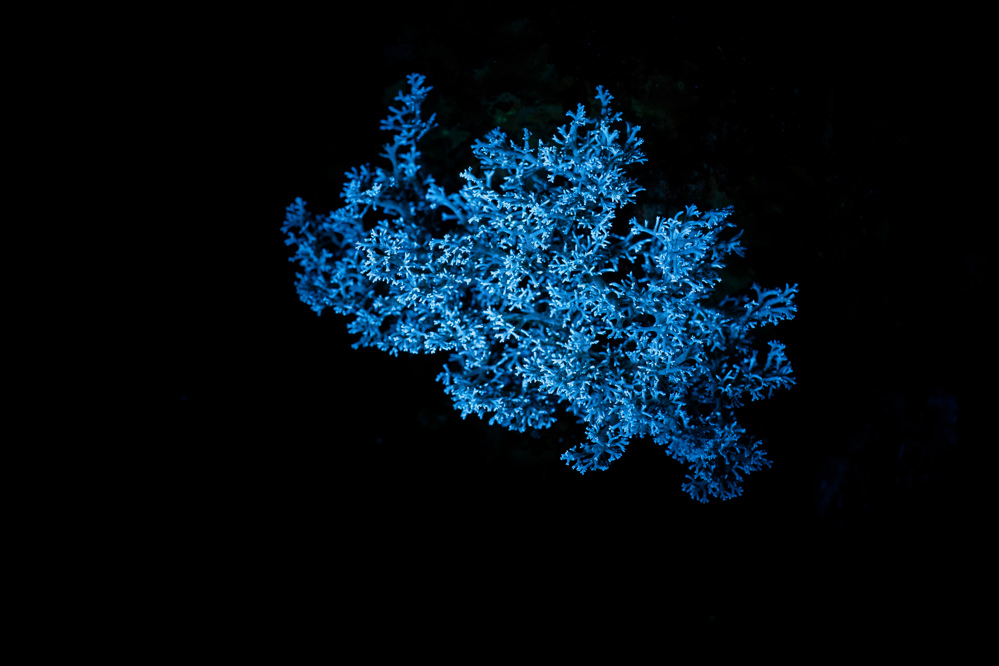
    Coral lichen under UV light.
    Coral lichen 

    Tips for UV photography

    Before you head out check out a few of our tips for photographing with UV lights:

    • Always wear safety glasses.
    • Look for lights/torches that emit at 365 nm and are in the UV-A range of the spectrum – this helps pick up a wider range of colours.
    • Bring a tripod or bean bag to support your camera. With less light available and slower shutter speeds required this helps to avoid camera shake. Avoid windy weather if possible as it makes photographing plants trickier when doing longer exposures.  
    • If you can, bring a friend or family member to help with lighting your subject.
    • Check the forecast and wrap up warm!

    Read more

    Latest from FLS

    1. 12 Jan 2026

      Lesley's article

    2. 03 Oct 2025

      Scotland's Climate Week 2025: Working together in the Angus Glens

    3. 29 Sep 2025

      Scotland's Climate Week 2025: Working with partners to support beaver populations

    4. 19 Sep 2025

      Martens on the Move at Kirroughtree

    5. 20 Aug 2025

      Protecting endangered apple trees through teamwork

    Share this article

    • Share on Facebook
    • Share on X
    • Share on LinkedIn

    Feedback

    There is a problem

    Feedback

    Thank you for your feedback

    User feedback form


    Your feedback helps us to improve this website. Do not give any personal information because we cannot reply to you directly.


    Your feedback helps us improve this website. Do not provide any personal information here. If you need to get in touch with a query, please contact us.


    Your feedback helps us improve this website. Do not provide any personal information here. If you need to get in touch with a query, please contact us.

    Forestry and Land Scotland Logo

    Follow us on

    • Forestry and Land Scotland on Facebook
    • Forestry and Land Scotland on Twitter
    • Forestry and Land Scotland on Instagram
    • Forestry and Land Scotland on LinkedIn

    Utilities

    1. Accessibility
    2. Cookies
    3. Privacy Notice
    4. Terms and Conditions
    5. Freedom of Information
    6. Modern Slavery Statement

    Quick links

    1. Media Centre
    Forest Stewardship Council, the mark of responsible forestry Programme for the Endorsement of Forest Certification, PEFC
    © Crown Copyright
    Forests and land that Scotland can be proud of Link to gov.scot gov.scot