Forestry and Land Scotland Logo
  1. Visit
      1. Find a forest
      2. Explore forest parks
    1. Accessible forests
    2. Stay the night
      1. Waymarked trails
      2. Cycling
      3. Mountain biking
      4. Photography
      5. Orienteering
      6. Camping
      7. Treetop adventure
      8. Water sports
      9. Horse riding
      1. Things to see
      2. Trees
      3. Wildlife
      4. Heritage
      5. Things to see in Winter
    3. Plan a visit with a group
    4. Visiting safely
    5. Parking
    Forest map

    Search for a forest by map

    Forests & trails information and closures

    An overview of all closures and high risk warnings on trails.

    Stay the night

    Park overnight in selected forest car parks as part of our motorhome scheme.

  2. About us
      1. Who we are
      2. Our mission and vision
      3. Leadership team
      4. Our values
      1. Careers
      2. Current Vacancies
      3. What we offer
      4. Candidate information
      5. A day in the life
      6. Apprenticeships
    1. Key documents
    2. Our impact
    3. Our approach to Gaelic
    Current Vacancies

    Some text

  3. What we do
      1. Taking Climate Action
      2. The climate emergency
      3. Forest resilience
      4. Peatland restoration
      5. Carbon offsetting
      6. Biodiversity
      7. Renewable energy
      1. Managing the land
      2. Planning our land management
      3. Our sustainable forestry
      4. Our tree nursery
      1. Conservation
      2. Habitat conservation
      3. Wildlife conservation
      4. Historic environment conservation
    1. Supporting outdoor exploration
    2. Working with communities
    3. Our projects
  4. Living and Working
      1. For businesses
      2. Timber sales
      3. Procurements and tenders
      4. Business opportunities
      5. Farming opportunities
      6. Venison sales
      7. Firewood sales
      1. For communities
      2. Transfer land and buildings to your community
      3. Land management plan consultations
      1. Permissions and Permits
      1. Learning and Education
      2. Outdoor learning
      3. Activity sheets
    1. Buy Land or Buildings
    Land management plan consultations

    Text here

    Current job opportunities

    Text here

  5. Get involved
    1. Have your say on consultations
    2. Hold an event
    3. Apply for a community asset transfer (CAT)
    4. Arrange a visit
    5. Work with us
  6. News
  7. Contact
Suggested links
    1. Home
    2. News
    18 August 2023 4 minutes

    Before and after photos show Ryvoan Pass recovery from deer damage

    Our team recently recreated a historic photo of the Ryvoan Pass to document the impact of deer management over the Green Lochan.

    The Ryvoan Pass in the Cairngorms National Park is a trail that takes visitors from Glenmore Forest to Abernethy Forest past the Green Lochan, famous for its emerald, green waters.

    George Dey, the forester in the area, took this picture in 1984. His collection of forestry images range from the 50s to the 2000s and are all stored at the University of Aberdeen.
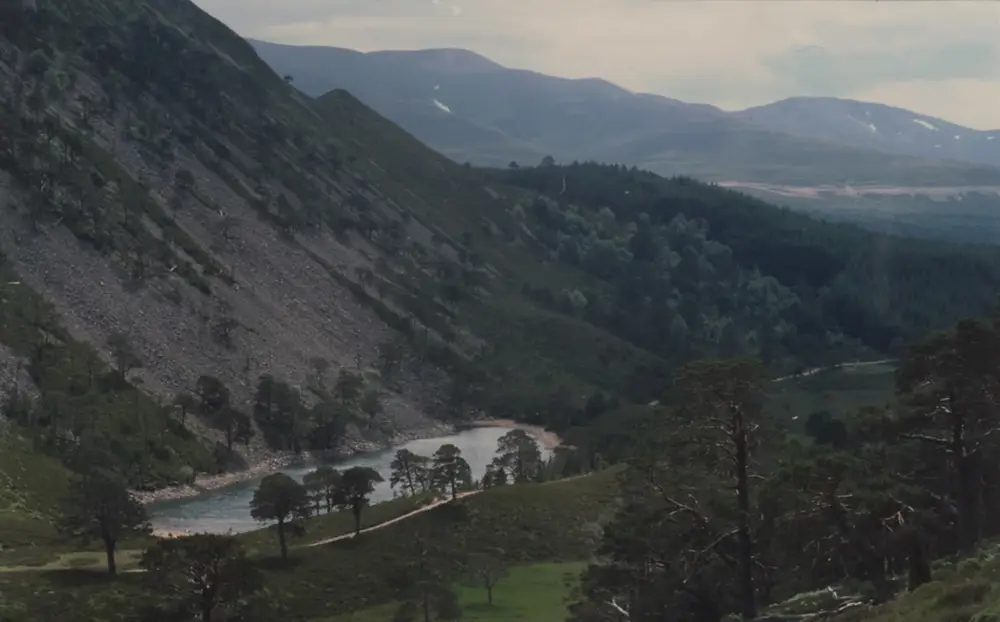
    a show over a treed hillside from 1984 and the lochan in the background

    Ryvoan Pass, Cairngorms National Park 1984

    The caption on the photo states, “lovely high view of the Green Loch at Glenmore Forest. George Dey has made the remark – no regeneration and it would be interesting to see a present-day view from the same place.”

    Following up on George’s idea, our ecology intern Rossina Parvanova retook George’s image of the pass to shows how the woodland has expanded in the past 40 years.  
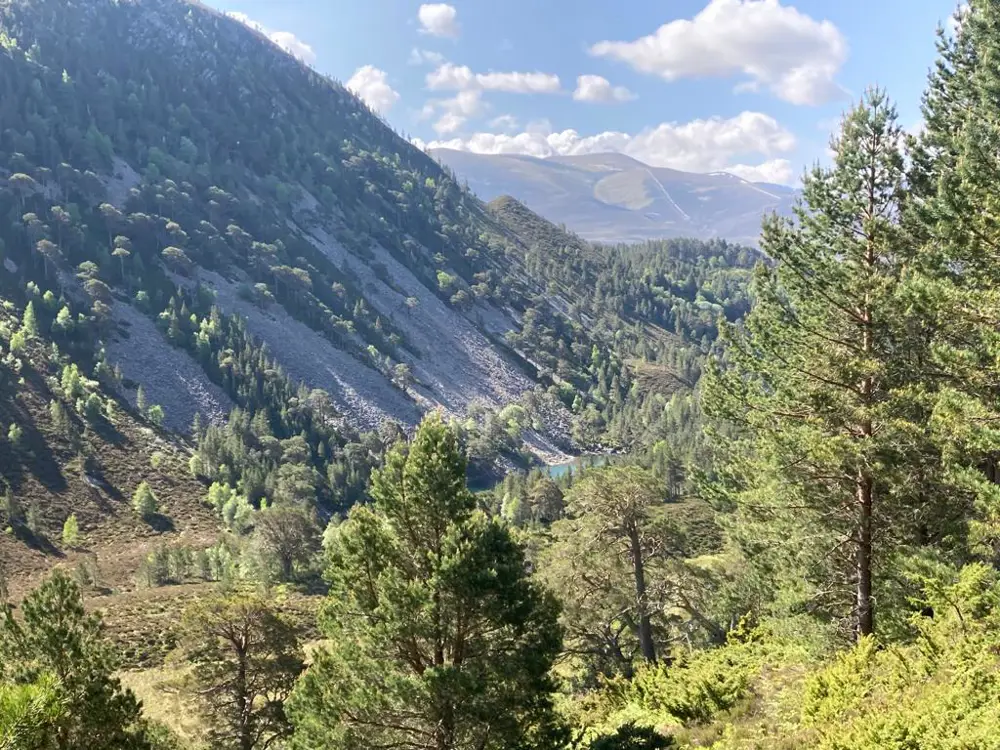
    Modern picture of the same hillside with more trees

    Ryvoan Pass, Cairngorms National Park 2023

    Tom Cameron, our North Region Area Wildlife Manager, said, “the photo shows the Green Lochan and Glenmore, which has some of the oldest woodland we have in the UK. It’s truly a very special place.

    Woodland recovery in the absence of deer

     “In the 1984 photo, you can see the trees were sparse with limited regeneration and vegetation growth. That was down to deer trampling and grazing on vegetation and new shoots.”

    The regeneration has been helped by work to restore the Caledonian Pine woodland: since the early 90s efforts have been made to remove non-native conifers and to increase deer management. This reduced browsing pressure and allowed natural regeneration of native pine wood species.
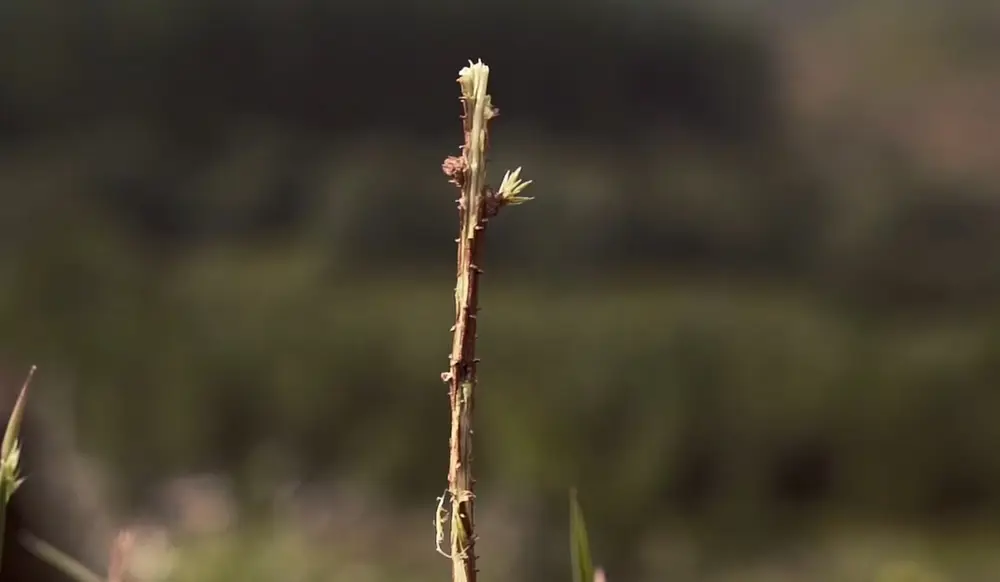
    a tree sapling that has been eaten by a deer

    An example of deer browsing on a small sapling

    Deer can damage forests in a variety of ways: stripping trees of bark makes the trees more prone to disease; they eat young trees and prevent them from growing; and trampling stops vegetation growth, harms the soil and ruins other forest habitats.

    These ungulates have no natural predators in Scotland, so we carry out sustainable deer management to keep populations to a level that doesn’t impact negatively on their habitat, which in turn halts the loss of biodiversity and achieves our land management objectives.

    Comparing the new Ryvoan Pass photo’s to the old ones shows how sustained, considered deer management can help restore forests.

    Naturally-restored woodland

    Tom said, “Ryvoan Pass has regenerated itself incredibly well in the absence of deer.

    “You can see the Caledonian pine has expanded back up the hillside, accompanied by the associated native broadleaf species such as willow, rowan and birch.

    “We haven’t added or planted anything here - nature did this all by herself once we increased deer management efforts.”

    We work with the site’s adjoining neighbours, used culls to reduce the deer population and avoided using deer fencing.

    Tom said, “deer fencing has its place, but it’s visually intrusive, can restrict access and can have an impact on other wildlife – for example, capercaillie, which are an endangered species, can fly into it.

    Fencing can also displace deer from one area of land or another and create or magnify issues relating to high deer population levels. Deer culls are a necessary part of managing Scotland’s forests and keeping their ecological balance in check.

    “These photos show how successful that approach can be - we have a native woodland that is now thriving and expanding.”

    Visitors who want to walk the Old Ryvoan trail and see the recovery for themselves can start at Glenmore visitor centre.


    Latest from FLS

    1. 12 Jan 2026

      Lesley's article

    2. 03 Oct 2025

      Scotland's Climate Week 2025: Working together in the Angus Glens

    3. 29 Sep 2025

      Scotland's Climate Week 2025: Working with partners to support beaver populations

    4. 19 Sep 2025

      Martens on the Move at Kirroughtree

    5. 20 Aug 2025

      Protecting endangered apple trees through teamwork

    Share this article

    • Share on Facebook
    • Share on X
    • Share on LinkedIn

    Feedback

    There is a problem

    Feedback

    Thank you for your feedback

    User feedback form


    Your feedback helps us to improve this website. Do not give any personal information because we cannot reply to you directly.


    Your feedback helps us improve this website. Do not provide any personal information here. If you need to get in touch with a query, please contact us.


    Your feedback helps us improve this website. Do not provide any personal information here. If you need to get in touch with a query, please contact us.

    Forestry and Land Scotland Logo

    Follow us on

    • Forestry and Land Scotland on Facebook
    • Forestry and Land Scotland on Twitter
    • Forestry and Land Scotland on Instagram
    • Forestry and Land Scotland on LinkedIn

    Utilities

    1. Accessibility
    2. Cookies
    3. Privacy Notice
    4. Terms and Conditions
    5. Freedom of Information
    6. Modern Slavery Statement

    Quick links

    1. Media Centre
    Forest Stewardship Council, the mark of responsible forestry Programme for the Endorsement of Forest Certification, PEFC
    © Crown Copyright
    Forests and land that Scotland can be proud of Link to gov.scot gov.scot