Forestry and Land Scotland Logo
  1. Visit
      1. Find a forest
      2. Explore forest parks
    1. Accessible forests
    2. Stay the night
      1. Waymarked trails
      2. Cycling
      3. Mountain biking
      4. Photography
      5. Orienteering
      6. Camping
      7. Treetop adventure
      8. Water sports
      9. Horse riding
      1. Things to see
      2. Trees
      3. Wildlife
      4. Heritage
      5. Things to see in Winter
    3. Plan a visit with a group
    4. Visiting safely
    5. Parking
    Forest map

    Search for a forest by map

    Forests & trails information and closures

    An overview of all closures and high risk warnings on trails.

    Stay the night

    Park overnight in selected forest car parks as part of our motorhome scheme.

  2. About us
      1. Who we are
      2. Our mission and vision
      3. Leadership team
      4. Our values
      1. Careers
      2. Current Vacancies
      3. What we offer
      4. Candidate information
      5. A day in the life
      6. Apprenticeships
    1. Key documents
    2. Our impact
    3. Our approach to Gaelic
    Current Vacancies

    Some text

  3. What we do
      1. Taking Climate Action
      2. The climate emergency
      3. Forest resilience
      4. Peatland restoration
      5. Carbon offsetting
      6. Biodiversity
      7. Renewable energy
      1. Managing the land
      2. Planning our land management
      3. Our sustainable forestry
      4. Our tree nursery
      1. Conservation
      2. Habitat conservation
      3. Wildlife conservation
      4. Historic environment conservation
    1. Supporting outdoor exploration
    2. Working with communities
    3. Our projects
  4. Living and Working
      1. For businesses
      2. Timber sales
      3. Procurements and tenders
      4. Business opportunities
      5. Farming opportunities
      6. Venison sales
      7. Firewood sales
      1. For communities
      2. Transfer land and buildings to your community
      3. Land management plan consultations
      1. Permissions and Permits
      1. Learning and Education
      2. Outdoor learning
      3. Activity sheets
    1. Buy Land or Buildings
    Land management plan consultations

    Text here

    Current job opportunities

    Text here

  5. Get involved
    1. Have your say on consultations
    2. Hold an event
    3. Apply for a community asset transfer (CAT)
    4. Arrange a visit
    5. Work with us
  6. News
  7. Contact
Suggested links
    1. Home
    2. News
    31 October 2024 3 minutes

    Bats in our forests

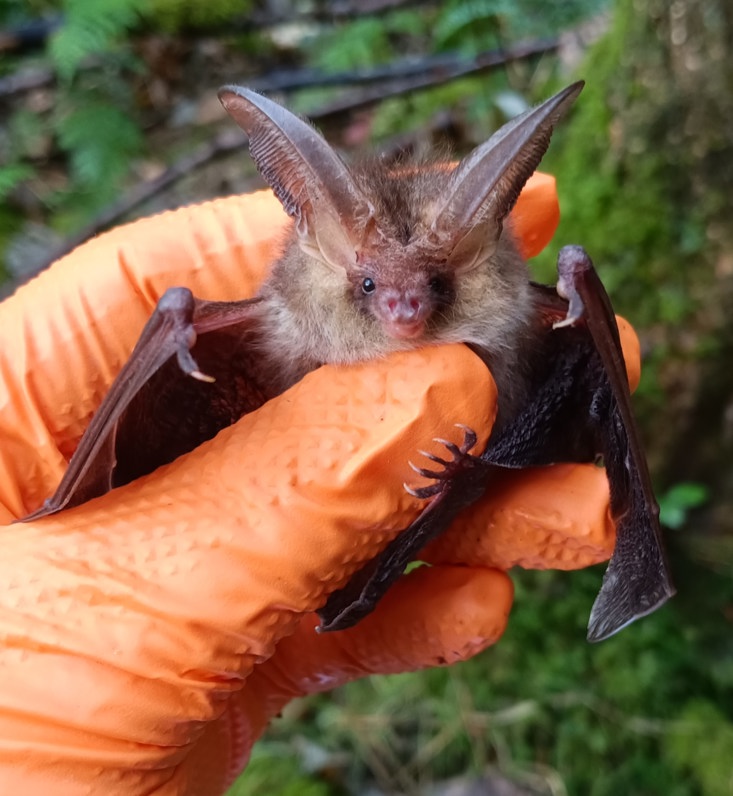
    A bat being held by a person wearing orange gloves

    Did you know that Scotland is home to ten of the 17 bat species living and breeding in the UK? 

    Some of the biggest threats to bats come from habitat destruction and fragmentation such as roads, railway lines and other obstacles that limit their movement. Urban developments including road building, modern farming practices with the use of pesticides and the loss of wetlands, as well as some forestry operations, can all contribute to less foraging habitat and possible roost sites for this species.

    Even the loss of hedgerows can impact bats — they like to follow linear features like hedgerows or woodland edges when moving from roost to foraging sites. A reduction in these travel corridors can limit their movement and may expose them to higher levels of predation.

    Bat boxes

    Bats use their roosts to shelter and raise young. 

    Bat boxes provide safe roosting spaces for bats, particularly in areas where natural roosts such as tree cavities are hard to find. This can be the case in some commercial forestry plantations where there are lots of the same type of tree at the same stage in its life cycle. These can provide less in the way of natural features for bats to use for shelter. 

    This is why we often have bat boxes in our forests.
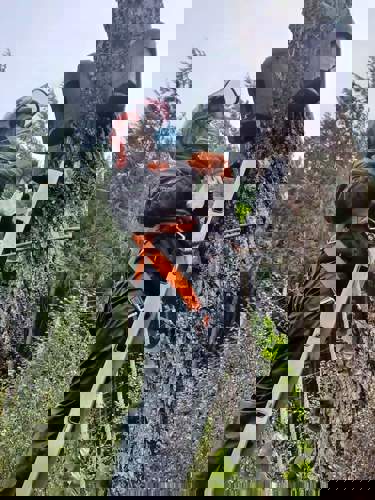
    A trained staff member checking a bat box sitting in a tree
    Our trained and licensed environmental staff checking bat boxes in one of our forests.

    We currently have ten bat box schemes in various forests in the Scottish Borders from Ladyurd in the north to Newcastleton in the south. Bat boxes are put in places where they are likely to attract the most bats, such as along riparian (riverside) corridors as well as near ponds and wetlands. The schemes usually have between eight to 12 boxes which are spread out along the habitat corridor.  

    All bat species and their roosts are legally protected. It's an offence to deliberately or recklessly disturb, injure or kill bats, as well as damage or destroy their roosts.

    What bats can tell us

    Bats are highly sensitive to change, whether it be a reduction of hedgerows or fewer bugs due to pesticides. Because of this, they’re considered ecological indicator species for habitat quality and biodiversity change. Basically, they can tell us about the state of the environment around them.

    The bat boxes in our forests are checked annually, by qualified and licensed environmental staff. These records, going back over many years, provide us with trends that could shed light on the impacts of habitat and climate change. They provide useful information when we are making decisions about how we look after Scotland's national forests and land.

    Read more

    Latest from FLS

    1. 12 Jan 2026

      Lesley's article

    2. 03 Oct 2025

      Scotland's Climate Week 2025: Working together in the Angus Glens

    3. 29 Sep 2025

      Scotland's Climate Week 2025: Working with partners to support beaver populations

    4. 19 Sep 2025

      Martens on the Move at Kirroughtree

    5. 20 Aug 2025

      Protecting endangered apple trees through teamwork

    Share this article

    • Share on Facebook
    • Share on X
    • Share on LinkedIn

    Feedback

    There is a problem

    Feedback

    Thank you for your feedback

    User feedback form


    Your feedback helps us to improve this website. Do not give any personal information because we cannot reply to you directly.


    Your feedback helps us improve this website. Do not provide any personal information here. If you need to get in touch with a query, please contact us.


    Your feedback helps us improve this website. Do not provide any personal information here. If you need to get in touch with a query, please contact us.

    Forestry and Land Scotland Logo

    Follow us on

    • Forestry and Land Scotland on Facebook
    • Forestry and Land Scotland on Twitter
    • Forestry and Land Scotland on Instagram
    • Forestry and Land Scotland on LinkedIn

    Utilities

    1. Accessibility
    2. Cookies
    3. Privacy Notice
    4. Terms and Conditions
    5. Freedom of Information
    6. Modern Slavery Statement

    Quick links

    1. Media Centre
    Forest Stewardship Council, the mark of responsible forestry Programme for the Endorsement of Forest Certification, PEFC
    © Crown Copyright
    Forests and land that Scotland can be proud of Link to gov.scot gov.scot